Arkansas Cotton Farmer Obtains Additional 100 Pounds of Lint per Acre

These amazing results were sent in from Danny Quall’s farm in Jonesboro, Arkansas. Danny grows 1500 acres of cotton in addition to other crops that he treats with a conventional fertilizer program.  Danny chose two 10 acre conventionally fertilized plots of cotton, one of which he treated with a product containing SumaGrow. The 10 acres treated with a product containing SumaGrow:
  • Produced 100 lbs/acre more in lint cotton
  • Produced $10/acre more in cotton seed
  • Matured 10 days earlier
  • Tap root was an average of 6” longer
After the cotton reach maturity, it was exposed to a wind storm that produced winds in excess of 50 mph. The plot treated with SumaGrow stood tall and was undamaged.  The untreated cotton was pushed to the ground, inflicting damage to the stalk and cotton bolls.
No SumaGrow, treated with 10-10-10 fertilizer
Qualls Farm without 2
Qualls Farm without
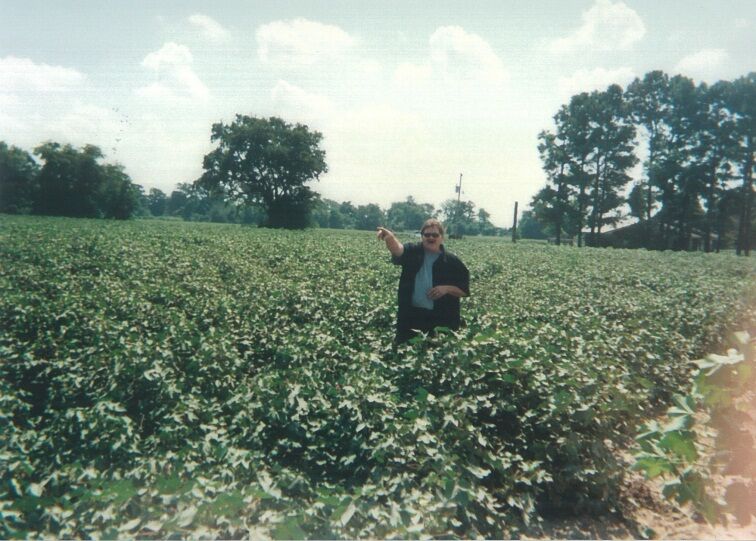
No SumaGrow Treatment — Notice the height of the cotton is below the waist.
Cotton treated with SumaGrow Cotton is well above the waist:

Qualls Farm With SG
Qualls Farm With SG 2

California Strawberry Trial Conducted by Holden Research Concludes an Increase in Profit of $1185/Acre

This trial was set up to compare the growth and production effects from the use of a standard grower program to one enhanced with World Soil Solutions (SumaGrow) based products.

This trial indicated that the BRIX (SumaGrow) product had no negative effects to the growing crop or the grower’s irrigation system during the trial. The trial consisted of two test plots. The first test plot was Brix (SumaGrow) + 100% grower standard fertilizer. Test #2 consisted of grower standard fertilizer at 100% rate. The BRIX (SumaGrow) treated with 100% of grower standard fertilizer test plot showed a numerical advantage in whole plant weight and root weight. Significant differences were noted and observed in favor of the Brix (SumaGrow) treated plot as compared to the grower standard fertilizer. The Brix (SumaGrow) treated plot exceeded the grower standard plot in production by 203 flats.

The Brix (SumaGrow) treated plot showed a net increase to the growers bottom line of over $1185 per acre! The Brix (SumaGrow) test plot had a better market utilization ratio averaging 78.6% as compared to the grower standard at 75.4%. The Brix treated berries were heavier during the course of the season weighing at 29.6 grams and having a much higher brix level (natural sugars and nutrients, which equals better taste!) than the grower standard berries, while the grower standard weighted at 26.6 grams with a lower brix level. The Brix (SumaGrow) based program yielded positive returns to the grower by early season (February 24th), which continued to get better toward the end of the pick season (April 9th).

This trial could have yielded even more positive results if the proper SumaGrow protocol had been followed such as reducing the grower standard fertilizer to at least 50% instead of 100%.

Here is the actual report:  CA – Strawberries — Holden Research

Pennsylvania Golf Course Study on Turf Quality and Color

Golf course turf, particularly the greens, are about as near perfect turf as you can find.  To achieve the lush, green turf, golf courses spend a lot of time and money.  This independent trial was performed by Turfgrass Disease Solutions, LLC  — http://turfgrassdiseasesolutions.com — comparing SumaGrow treatments with an 80% reduction in fertilizer to the normal golf course treatments.  In this situation, a tie could certainly be considered a win due to the savings in both time and money, however, SumaGrow actually performed better than the standard golf course treatment.

The purpose of the trial was to evaluate color and quality response to treatments of SumaGrow. In addition to the “untreated control ” area there were three other treatments:

  • SumaGrow (in the report called ReeCourse) Only – (2 gallon per acre initial treatment with 1 gallon per acre monthly thereafter).
  • SumaGrow (2 gallon per acre initial treatment with 1 gallon per acre monthly thereafter) plus a chemical fertilizer application at 0.05 pound nitrogen per 1,000 square feet (this is an 80% reduction in chemical fertilizer to the full treatment below).
  • Chemical Fertilizer Only at 0.25 pound nitrogen per 1,000 square feet alone (standard fertilizer was 28-8-18 as was used in the above treatment)

The trial period was five months running from June – November. Treatments were applied in June, July, August, and September with additional data gathered in October and November. Treatments were replicated five times in a randomized block design.

TDS Report Picture.emf

Results:

The overall result was a clear increase in quality and color when SumaGrow was applied and compared to the untreated control.

When SumaGrow only was applied and when SumaGrow plus the chemical fertilizer was applied, the results were similar quality and color levels (i.e. there was no statistical difference) as the full treatment of the chemical fertilizer alone on random rating dates. SumaGrow with the fertilizer at 0.05 pound nitrogen per 1,000 square feet (80% reduction in chemical fertilizer) improved the color on all of the rating dates during the scheduled application program.

SumaGrow Golf Conclusions:

SumaGrow only or SumaGrow plus a chemical fertilizer (at an 80% reduced amount) generated similar results to that of the full chemical fertilizer alone treatment. Why is this significant? This means that use of SumaGrow can replace or significantly reduce the need for chemical-based fertilizer, thus reducing both treatment costs and chemical use, as well as application time.

The turf saw no injury or stress from the application of SumaGrow during the trial period.  Therefore, the product is not an agronomic risk to the turf.

SumaGrow plays an important role in reducing a golf course’s dependence on chemical-based fertilizer while maintaining the course’s color and quality expectations.  Golf course superintendents and management companies understand the need to implement “green” initiatives and “sustainability” practices in order to reduce the chemical footprint on the property and what runs off into waterways.  SumaGrow is an all-natural soil microbial products that help address and support these efforts.

Here is the complete report:

Turfgrass Disease Solutions Report on SumaGrow (ReeCourse)

Rice Trial Results from Indian Village Average Yield Increase of 21%

The trials were performed in Kalleda, which is a small village in Warangal district, Telangana, India.  It is approximately 40 km from Warangal, and neighboring villages include Parvathagiri, Annaram, Naguram, and Ravuru. The population is approximately 5,000.

Here is a link to download this report: Indian Village Rice Trials

Kalleda (2012) Paddy Trial Results using liquid base SumaGrow
SNo Farmer Name Acreage Last year yield

(79 kg bags)

This year with Suma-grow

(70 kg bags)

Yield per acre

(kg)

Increase in yield

(%)

Increase in yield

(gg)

Increase in income

(Rs.)

1 Chiruta Sailu 0.25 8 12 3360 50% 280 2800
2 Chiruta Dargaiah 0.25 8 12 3360 50% 280 2800
3 Akarapu Ramulu 0.38 10 15 2800 50% 350 3500
4 Baalle Sailu  0.75 24 33 3080 38% 630 6300
5 Medagani Rajaiah 0.50 15 20 2800 33% 350 3500
6 Adonda Papaiah 0.50 15 20 2800 33% 350 3500
7 Munjala Swamy 0.50 16 21 2940 31% 350 3500
8 Burki Bikasham 0.50 16 21 2940 31% 350 3500
9 Baalle Kumar 0.38 14 18 3360 29% 280 2800
10 Ellamla Lachhulu 1.00 18 23 1610 28% 350 3500
11 Aadunda Mangaiah 0.50 18 23 3220 28% 350 3500
12 Adonda Sampath  0.75 22 28 2613 27% 420 4200
13 Chiruta Veeraiah 0.25 8 10 2800 25% 140 1400
14 Erraboina Sudhakar 0.25 8 10 2800 25% 140 1400
15 Medagani Sammaiah 0.50 16 20 2800 25% 280 2800
16 Baalle Mallaiah 0.75 24 30 2800 25% 420 4200
17 Erraboina Mallaiah 0.75 24 30 2800 25% 420

H22
4200
18 Yasarapu Yakaiah 1.00 18 22 1540 22% 280 2800
19 Kagu Srinivas 1.50 38 46 2147 21% 560 5600
20 Baalle Biksham 0.38 15 18 3360 20% 210 2100
21 Pendyala Veeraiah 0.50 15 18 2520 20% 210 2100
22 Dadi Mallaiah 0.75 25 30 2800 20% 350 3500
23 Poosa Ilamma 1.00 25 30 2100 20% 350 3500
24 Dommati Rammarthy 1.50 49 58 2707 18% 630 6300
25 Takkalapelli Chandraiah 1.00 34 40 2800 18% 420 4200
26 Maddela Saraswathi 1.25 34 40 2240 18% 420 4200
27 Pusala Yakambram  1.00 35 41 2870 17% 420 4200
28 Dommati kumariswamy 1.25 43 50 2800 16% 490 4900
29 Kadire Vijaya 1.25 34 39 2184 15% 350 3500
30 Chiruta Venkanna  0.75 28 32 2987 14% 280 2800
31 Mendem Mallamma 1.00 35 40 2800 14% 350 3500
32 Adonda Sammakka 1.25 44 50 2800 14% 420 4200
33 Baalle Ramachandru 0.50 16 18 2520 13% 140 1400
34 Munjala Swamy 2 0.50 16 18 2520 13% 140 1400
35 Pendyala Yakambram 0.75 18 20 1867 11% 140 1400
36 Maddela Srinivas 1.25 35 38 2128 9% 210 2100
37 Kattula Yadagiri 0.50 16 16 2240 0% 0 0
Total 28 837 1,010 98,812 21% 12,110 121,100

Georgia Cotton — Sayer Farms Increases Lint Yield by 27.7%

This trial was conducted on Sayer Farms, in Irwin County, Georgia on two dry land test plots after 2.5 weeks with no rain.  The soil type was the same for both plots which are across a dirt road from each other.

The SumaGrow treated plot showed a 27.7% increase in lint yield and a 27.6% increase in seed production.  Nitrogen fertilizer was also reduced by 58.8%.

Plot A) GENESIS with Sumagrowtest plot                          7.55 acres

Applied ½ gal.SumaGrow per acre along with reflex after planting

Applied ½ gal. SumaGrow per acre 5 weeks later over top spray (1.0 gallon total per acre)

Applied 20 gal. nitrogen per acre at layby and 15 gal.nitrogen per acre after planting (total 35gal)

Applied 2 tons chicken litter and 150 lbs per acre of potash (preplant) per acre.

Total Lint : 9952 lbs.                                                    Total Seed:  11,443 lbs

Divided by 7.55 acres                                                      Divided by 7.55 acres

1318 lbs per acre                                                             1515 lbs per acre

*    *          *    *    *          *    *             *

Plot B) STANDARD (Untreated) test plot                               15.76 acres

Applied 85 lbs total nitrogen per acre

Applied 2 tons chicken litter per acre and 150 lbs potash per acre

Total Lint: 16279 lbs                                                   Total Seed: 18719 lbs

Divided by 15.76 acres                                                  Divided by 15.76  acres

1032 lbs per acre                                                            1187 lbs per acre

******************************************************************************

Net Production and Profit Comparison

Lint: Genesis with SumaGrow gain

1318 lbs – 1032 lbs = 286 lbs per acre x .84 per lb.(1/02/14)                        =$240.24

Seed: Genesis with SumaGrow gain 

1515 lbs – 1187 lbs =328 lbs per acre x 10.5 cents                                      =    34.44

Nitrogen: Reduction with Genesis with SumaGrow                             =    60.00 

Total Dollar GAINS from Genesis with SumaGrow per acre               $334.68


Sayer Cotton 2013

Trial of Five Potato Varieties in Italy Agriculture Institute, Prever – Osasco

REPEATED RANDOMIZED PLOT TEST ON POTATOES

WITH SOLUM NATURALE SUMAGROW INSIDE

Solum Naturale Sumagrow inside test was conducted on potato plots planted at Cascina Buffetta, situated at 1050 m. above sea level, in the town of Angrogna, 45 km southwest of Turin.  Potatoes were planted on 6 ridges in simple row, each with length of 15 – 20 meters, leaving in each a plot a section (10%) as control on which no Solum Naturale SumaGrow inside, was applied.

All other crop operations were ordinary (no base fertilization was applied, as dealing with fertile soils, recently activated after a long cultivation rest; in absence of Colorado potato beetle no insecticides was required; Two preventive applications with Bordeaux mixture were applied against downy mildew).

Results were observed on 4 different potato cultivars, three white pastes (Agria, Monalisa and Mozart, the latter red-skinned) and one, the Bergerach, with purple flesh and skin (less productive and with smaller tubers).

No culture differences were observed during the vegetative phase, plants appeared healthy and in good condition in the test areas as well as control, with no detectable differences.  The results are reported by yields in kg. per plot linear meter.

PLOT Yield in Kg/linear meter
Test Control Variation
Plot 1 ‘ Agria 5,2 4,4 18%
Plot 2 ‘ Bergerach 2,2 1,8 22%
Plot 3 ‘ Mozart 3,2 3,0 7%
Plot 4 ‘ Mona Lisa 3,7 3,7 0%
Plot 5 ‘ Bergerach 2,4 2,0 20%

Conclusions

In four out of five plots, we observed good effectiveness of Solum Naturale SumaGrow inside, and only in one plot it was irrelevant.  Yield increase, per linear meter, was about 20% in three out of five plots.  The overall yield increase result was 13.4%.

The limiting plot extension does not allow us to state with certainty whether the product would be useful in all culture applications, however, the results are uniquely pointing to the direction of definite production-induced increase by the use of this product.

Angrogna, October 2013

Marco Ramotti (Teacher of di Agriculture Ecology – Agriculture Institute, Prever–Osasco)

Joussef El Kaoukabi (Internship third year student at Agriculture Institute, Prever–Osasco)

Downloadable one page report:  Italy Potato Report

Cotton in Tarboro, North Carolina: Yield Increase and Quality Increase

These results show the yield and quality increase on a 138 acre cotton farm in Tarboro, NC.  The cotton farmer also raises chickens so approximately 13 tons of chicken litter was applied.  A product containing SumaGrow was used on 65 acres with no additional fertilizer while the remaining 73 acres was treated with chicken liter, as well as 40 units of nitrogen and 25 units of sulfur fertilizer per acre.

HIGHER YIELD

The treated acreage averaged 1079.49 pounds per acres while the control acreage averaged only 915.58 pounds per acre, an increase of 16.92%.

HIGHER QUALITY

The Bale Analysis Report (link below) shows the quality of the cotton was substantially better than the control.  Higher grade, higher strength and a lower percentage of trash in the treated acreage cotton led to a price of 92 cents per pound for the farmer versus only 52 cents per pound on the control acreage, an increase of 77%.

RESULTS

Combing the higher yield with the higher quality price received, the farmer increased his revenues by 106% per acre ($989.55 vs. $480.20).  Actual bottom line profits would be an even greater percentage increase as all other expenses stayed the same, with the exception of the fertilizer expense, which was actually lower on the treated acres since no commercial fertilizer was used.

The farmer had previously told our distributor he would use SumaGrow next year on all of his soybeans, however, after seeing the results on his cotton; the farmer has now decided to not plant any soybeans, just cotton!

Here is a one page summary/cut sheet:

Tarboro NC Cotton One Page Cut Sheet

Cotton — Tarboro, NC — Bale Report Calculations

Edwards Cotton Bale Report — Tarboro, NC


Mississippi Raised Bed Gardener Raves About SumaGrow

Arthur Herrin, resident of Petal, Mississippi, heard about Bio Soil from a news story which aired on WDAM (a local NBC affiliate).  When he planted his garden, he decided to treat it with only [SumaGrow]. This is what he had to say:

“After seeing a news article on TV about your product, I decided to give it a try. I have a raised bed vegetable garden in the back yard of my home. I’ve gardened this way for the last several years. It has always been a successful way to garden, but I have never had such dramatic results as I have seen since using [SumaGrow] only one time!

The plants are greener, healthier, and stronger than they have ever been. They are larger, and each plant is loaded with fruit.

I was very skeptical about the product in the beginning, but I believe it will be a very beneficial tool in gardening vegetables and flowers. All my plants have grown so green and so sturdy that I cannot wait to see the harvest. [SumaGrow] has made a believer out of me.

I have not used any commercial fertilizer at all and still have these great results using your completely organic product.”

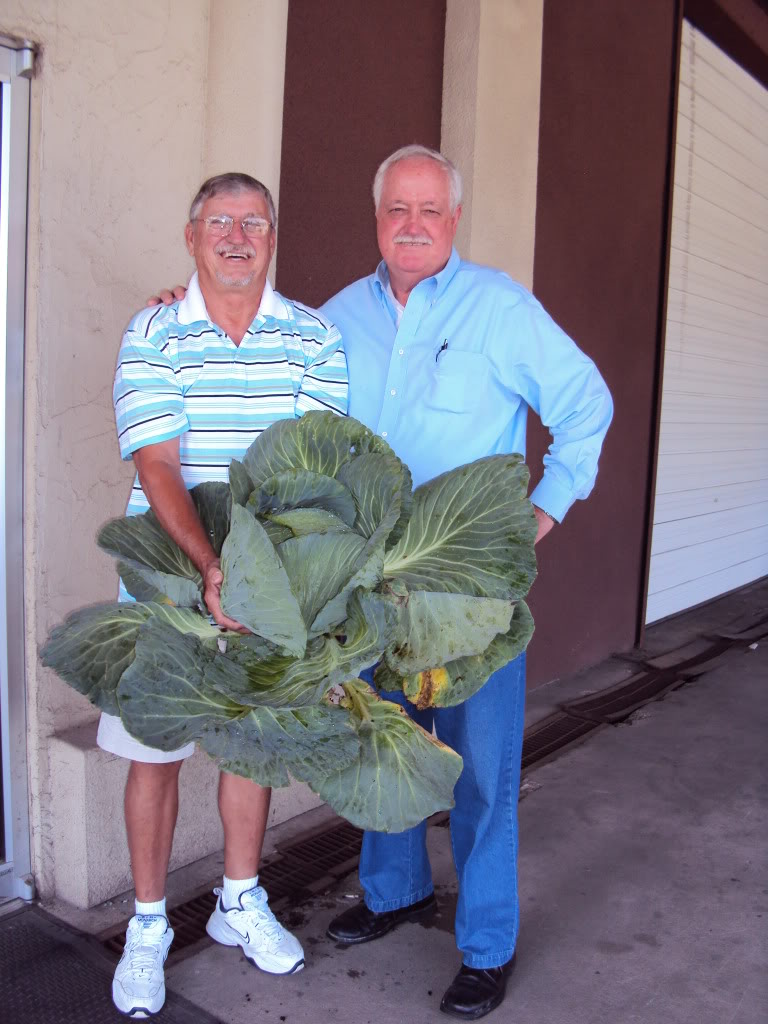
Herrin and Wayne with cabbage

Arthur Herrin, with one of the huge cabbages he grew, and Wayne Wade, company President.


Mink Pond Club Soil Improvement

Soil analysis reports are invaluable tools for farmers and gardeners. They contain a wealth of information that is vital when determining what treatment program is necessary for the crops before and after planting. Tim Foglio, manager of the Mink Pond Club, a 2500 acre hunting and fishing game park in Pennsylvania, has shared his soil analysis reports for the last two years.

Tim used SumaGrow for approximately three years in conjunction with his regular fertilizer and experienced really good results.  The good results made him curious as to how well SumaGrow would work if used without fertilizer. He decided to really test it and did without his usual fertilizer with continued good results.

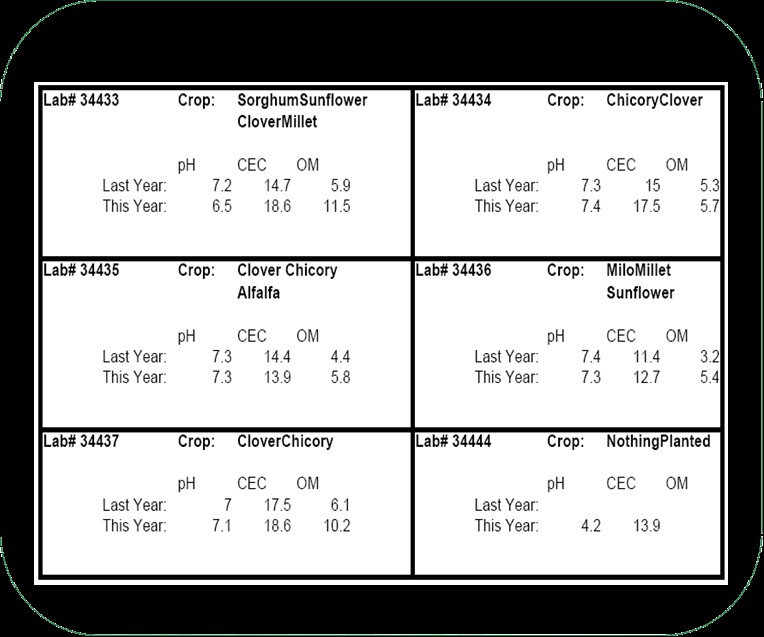
The following charts show what crops were planted and what the Cation Exchange Capacity (CEC), pH, and Organic Matter (OM) was for last year, when available, and this year.

CEC is soil’s ability to hold and exchange nutrients and helps soils resist changes in pH in addition to retaining plant nutrients.

In a healthy balance of microbial proportions the pH of the soil will automatically stabilize at around 6.4 with SumaGrow, which is not only the “perfect soil pH” for organic/biological agriculture, but is also the ideal pH of sap in a healthy plant.

OM is the decomposed plant material in the soil that serves as a carbon source for the microbial community and nutrient bank for plant life above the ground.

The data from the Mink Pond Club provides excellent evidence that Bio Soil’s products act in a beneficial manner to help improve the soil quality over time.

Mink Pond Soil Analysis ComparisonMink Pond Soil Analysis Comparison 2

Tim Foglio, President of the Mink Pond Club wrote this testimonial:

“I would like to thank you and your company for making a product that actually does what it’s supposed to do.  There are a lot of products out there that claim “miracle results”; your product actually is a miracle!

Not only is it the easiest fertilizer to apply, but it is organic which makes it great for using on food plots near our lake and stream.  I can honestly say that [SumaGrow] is worth the money.  For the first time in eight years of growing food plots, our fields were lush and green, even in August!  I am so impressed after last year’s results that I am only using [SumaGrow] on my plots this year and have cut traditional fertilizers out completely.  I also look forward to using this because of the time-saving advantage of being able to mix my herbicides with it, which reduces compaction.

Once again, thank you for a great product.”

Happy growing,

Tim Foglio


SumaGrow Microbes Mentioned In Gardening Book

Complete Guide to Growing Tomatoes:  A Complete Step-by-Step Guide Including Heirloom Tomatoes

The following is an excerpt from Cherie Everhart’s book the Complete Guide to Growing Tomatoes: A Com plete Step-by-Step Guide Including Heirloom Tomatoes:

Another approach for feeding the soil and mitigating disease risk in an organic fashion has been developed at Michigan State University and is being marketed by the company Bio Soil Enhancers. This is basically a formulation of specially selected microbes that are added to the soil. These microbes have several important functions. Most importantly, they are designed to fix nitrogen from the air into a form the plants can take up as nutrients. Secondly, these microbes compete with pathogenic microbes in the soil and reduce the likelihood of plant disease. Finally, some of the microbes act to produce metabolites that simulate root and plant growth. These microbes essentially allow nutrients in the air and soil to become bio available for plant use without the need for additional petrochemical based fertilizers. According to Lou Elwell, who is the President of Bio Soil Enhancers, Inc., “This approach is applicable to a variety of grain and vegetable crops as well as lawns. It offers an amazing opportunity to increase world food supplies. It also promises an important reduction in synthetic fertilizer use.”

The Bio Soil team has a special, organic formulation specifically designed for tomatoes. The results using the product on tomatoes are especially impressive. “In a greenhouse setting, the use of the Bio Soil microbes increases the yield of tomato plants by 400 percent over conventional fertilizers alone.” says Lou. “The average size of the tomatoes increased by 88 percent using the Bio Soil microbes.” In addition, the tomatoes had a faster germination rate and flowered more quickly when using the Bio Soil microbes.

The Bio Soil formulation also contains humates and plant micro nutrients. Humates are the product of organic matter degradation and provide a food supply for the microbes. According to Lou, “The use of Bio Soil microbes will cost less than conventional synthetic fertilizers. Also, we are currently in the process of applying for organic certification for our formulations.”