
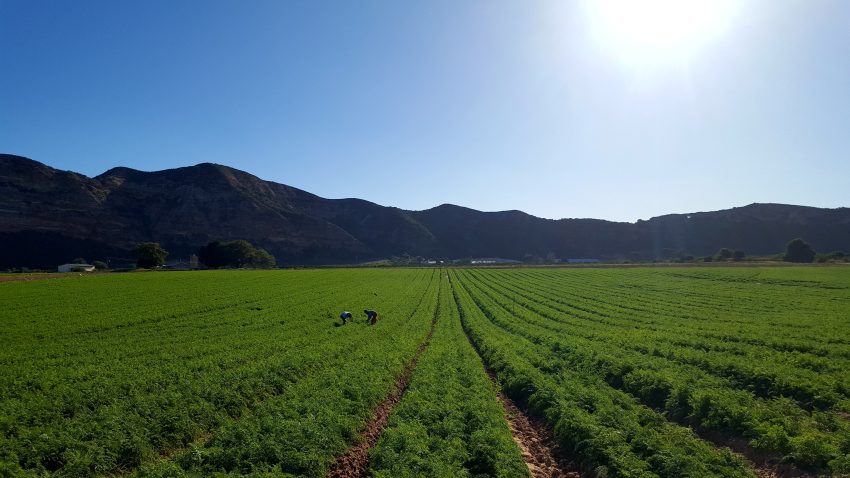
Carrot Farmer Achieves 28% Increase in Carrot Quality


20190521 145752

Value gained by Carrot farmer: big difference in quality

  • ExploGrow™ (SumaGrow) bio-organic fertiliser out-performed all the 5 Carrot farm lands on quality by +28.71% with a yield increase of +12.8% (on average)
  • Carrot quality: on average ExploGrow™ resulted in harvesting +12.88 tons per hectare more Carrots “fit for market”
  • Carrot yield: on average ExploGrow™ resulted in yielding +8.02 more tons per hectare
  • The market value of the additional ExploGrow™ Carrots “fit for market” added up to +R41,216.00 per hectare
  • Return on investment: 1,032%

Carrot Yield Improves With Explogrow Organic Bio Fertiliser

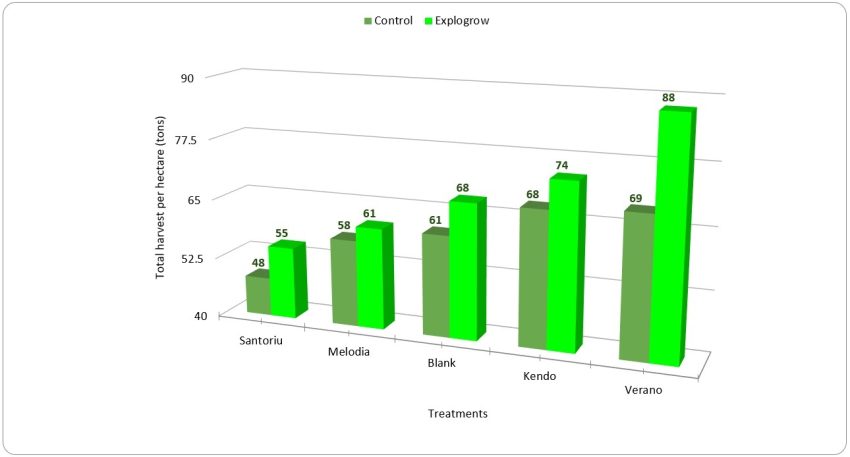
Carrot harvest data in tons per hectare (Increased yield)

Carrot variety: Verano

  • Untreated 68.97t/ha
  • ExploGrow™ treated 87.98t/ha

Increased yield: 19.01 tons per hectare =
+27.6% more carrots harvested

Carrot variety: Santorin

  • Untreated 48.25t/ha
  • ExploGrow™ treated 54.78t/ha

Increased yield: 6.56 tons per hectare =
+13.5% more carrots harvested

Carrot variety: Kendo

  • Untreated 68.16t/ha
  • ExploGrow™ treated 74.17t/ha

Increased yield: 6.01 tons per hectare =
+8.8% more carrots harvested

Carrot variety: Melodia

  • Untreated 58.48t/ha
  • ExploGrow™ treated 60.66t/ha

Increased yield: 2.18 tons per hectare =
+3.7% more carrots harvested

Carrot variety: Blank

  • Untreated 61.12t/ha
  • ExploGrow™ treated 67.50t/ha

Increased yield: 6.38 tons per hectare =
+10.4% more carrots harvested

On average ExploGrow™ (SumaGrow) out-performed every untreated Carrot farm land by 12.8% (8.02 tons per hectare), however there was a very big quality difference in terms of marketable Carrot quality.

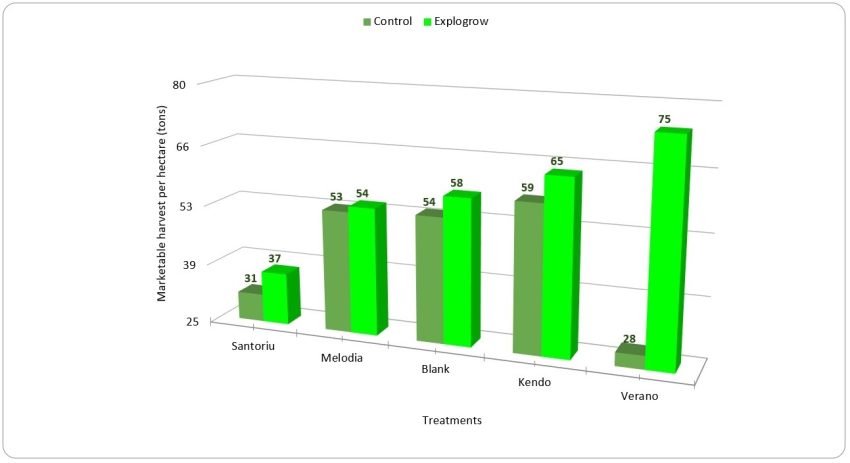
The improved quality of the ExploGrow™ treated Carrots enabled the farmer to deliver +28.71%more Carrots “fit for market” compared with the untreated Carrots as illustrated below:
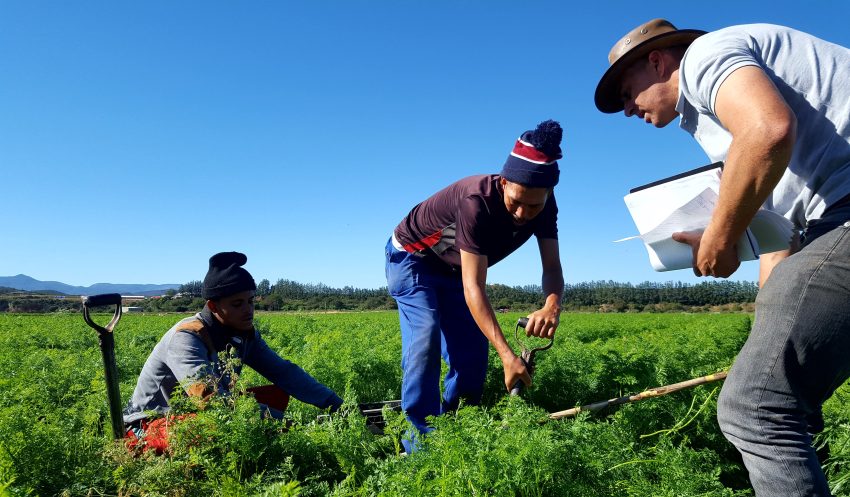
Harvesting Carrots Crop Data Measuring The Explogrow Organic Bio Fertilizer Effect In Hankey

Carrot Yield And Quality Improves With Explogrow Organic Bio Fertiliser

Marketable Carrots (quality fit for market versus crop damage)

The untreated Verano block showed signs of being quite infested with root pathogens. The quality of this block was by far the worst of the tested areas. This was in spite of conventional preventative action. The quality and yield of the carrots in ExploGrow™ treated Verano block is a triumph under these circumstances.

On this particular farm, the soils have high concentrations of crop damaging Root-knot Nematodes.

Carrot variety: Santoriu

  • Untreated 31t/ha
  • Treated 37t/ha

Carrot variety: Melodia

  • Untreated 53t/ha
  • Treated 54t/ha

Carrot variety: Blank

  • Untreated 54t/ha
  • Treated 58t/ha

Carrot variety: Kendo

  • Untreated 59t/ha
  • Treated 65t/ha

Carrot variety: Verano

  • Untreated 28t/ha
  • Treated 75t/ha

Differences in marketable crop quality after applying ExploGrow™

  • the ExploGrow™ (SumaGrow) treated lands out-performed all untreated Carrots lands
  • an additional +12.88 tons per hectare Carrots “fit for market” harvested (+28.71%)
  • the market value of the additional ExploGrow™ Carrots harvested equalled +R41,216.00 per hectare
Central Sicily (Italy)– Bell Peppers

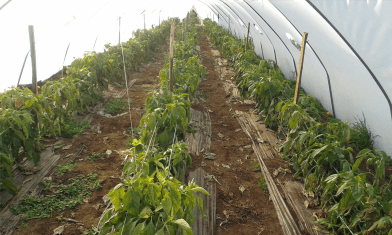
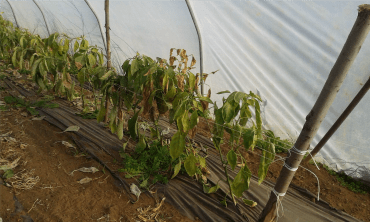
In August, bell pepper farmer Carmelo Piazza began a plot test in plastic tunnels with Solum Naturale SumaGrow inside. Farmers in Central Sicily are hampered in the hot, dry area by having to grow crops in sandy soil which are heavily infested with parasitic nematodes.

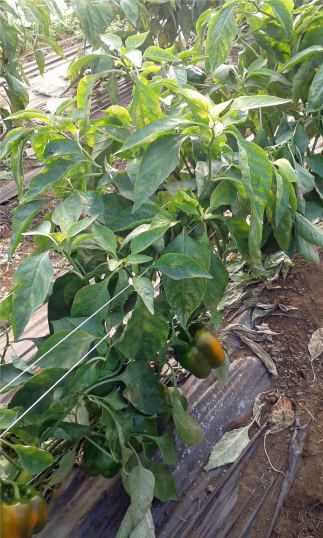
Carmelo soaked the seedlings in a Solum Naturale SumaGrow inside solution before planting. The control crop was fertilized and planted in the traditional manner. Towards the end of November, Carmelo observed that the control plants had yellowish top leaves, indicating the start of a nematode infestation; however, the test plots were visibly greener and healthier with no discoloration. Solum Naturale is designed to boost the natural defenses of the plants by increasing the health of the soil with a synergistic consortium of native microbes of the rhizosphere. Healthy soil contains all kinds of interdependent organisms that release mineral nutrients and water.

In January, Sicily had a rare snowstorm accompanied with freezing temperatures. As a result, all the plants were very stressed. In fact, all control plants died and had to be removed. The test plants treated with Solum Naturale SumaGrow inside, though stressed, survived and were still very healthy and yielding delicious, good-sized bell peppers.Central Sicily (Italy)– Bell Peppers pic 1

Central Sicily (Italy)– Bell Peppers pic 2


Control Plants


Test Plot Plants


Central Sicily (Italy)– Bell Peppers pic 3The severe weather created a large bell pepper shortage. Prices greatly increased and Carmelo was able to recoup some of his losses. According to Carmelo “We were the only growers in the area able to bring bell peppers to market.”
Greece – Alfalfa, Tomatoes, Peppers, and Eggplants

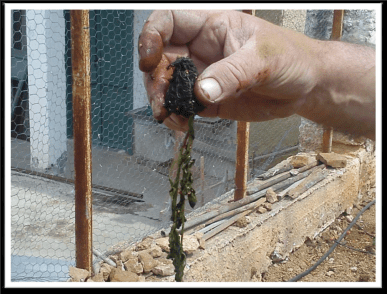
The plants were in poor condition before the development period began, as seen to the right.Greece – Alfalfa, Tomatoes, Peppers, and Eggplants pic 1.png


Throughout the study conducted by Ergoefarmogi, the plants went from lifeless to thriving (seen below), and this was achieved without the use of fertilizer.

greece-e28093-alfalfa-tomatoes-peppers-and-eggplants-pic-2.png

Over 60 days, faster and greater development and also intense flowering were observed. There was an increase in size and quality of the crops and an increased productivity from 30 to 80% per crop. An absence of fungus and other microorganism as well as various insects was observed. The plants were completely healthy throughout the duration of the development period. They were more alive, had vivid colors, and had visible difference in the size compared to those plants that had used conventional fertilizer. Their growth was also faster with better quality regarding their look and their taste. After the pruning during the productive seasons, they obtained branches and flowers and the production increases dramatically, and the fruit quality was evident in the excellent taste.

Greece – Alfalfa, Tomatoes, Peppers, and Eggplants pic 3

With the alfalfa crop, at least 40-60% faster and greater growth was observed. Also greater productivity was shown by the intense dark green color, deeper roots system, denser and larger size of the plant.

UPDATE – Pecan Nut Trees in South Africa- 40% Increase in Yield in Nuts

UPDATE - Pecan Nut Trees in South Africa- 40% Increase in Yield in Nuts pic 1Small trees in the nursery treated with Explogrow (SumaGrow) which were on the left, dramatically outperformed the untreated trees on the right.

SumaGrow trees produced an estimated 10kg extra per tree, compared with the untreated trees. This increase equates to an average of 25kg added production per tree, signifying a 40% improvement in mass.

The size of the Pecan nuts is also dramatically better. This places the product in the top category, resulting in the farmer being paid $0.85 more per kg, equal to a financial gain to the farmer per tree of around $21.

UPDATE - Pecan Nut Trees in South Africa- 40% Increase in Yield in Nuts pic 2Stem diameter of treated Pecan trees averages 1cm. Untreated Pecan trees stem diameter averages 0.6cm.

SumaGrow’s microbiologist is confident that similar results will be obtained with all the nut varieties grown in South Africa.

UPDATE - Pecan Nut Trees in South Africa- 40% Increase in Yield in Nuts pic 3

The competition for hectares between soybeans and groundnuts.

UPDATE - Pecan Nut Trees in South Africa- 40% Increase in Yield in Nuts pic 4Groundnut is a major oil-seed crop in South Africa. About 200,000 ha are planted annually, producing an average yield of 1,000 kg/ha. In South Africa, Groundnut yields are not only limited by low and late summer rains and poor soils, but also by many diseases including those caused directly or indirectly by plant-parasitic nematodes. Indirect damage may include increased secondary infection by fungi and reduced nodulation and nitrogen fixation. SumaGrow has shown to be effective in significantly alleviating the underscored factors.
Conservationists Find Sumagrow Improves Soil in Missouri

A study managed by the Missouri Department of Conservation
(MDC) was conducted with SumaGrow® on the Ionia Ridge
Conservation Area in Missouri. This 233 acre area lies within
the Hi Lonesome Focus Area for recovery of the greater prairie
chicken and native habitat for other grassland species. The
study on this area focused on interests in pursuing the potential
for soil microbial products to improve success of native tallgrass
seedling establishment and also to evaluate the effect on stand
persistence. This area was an active row crop and cattle grazing
farm prior to the acquisition by the Missouri Conservation
Department in 2008.

The main parameters of this study focused on the differences in
the physical and biological properties of the soil between control
and SumaGrow® treatment groups within the Conservation
Area: When comparing soil treated with a product containing
SumaGrow® with untreated plots, the treated soil experienced
a 15+ percent increase in soil moisture potential. How does this
benefit the grower struggling with drought or frustrated by
soggy soil? The benefit for both is that healthy soil holds water.

MISSOURI DEPARTMENT OF CONSERVATION FIELD TRIAL pics

MISSOURI DEPARTMENT OF CONSERVATION FIELD TRIAL pics 2Rain and moisture are captured by the soil instead of remaining
on the surface to volatize off or run-off into streams and
waterways, most likely taking valuable top soil and nutrients
with it. For the grower who is struggling with muddy, over wet
soil, fertile ground dries out quicker as the water penetrates the
soil instead of remaining on the surface, slowing down planting
or damaging grasses and turf.

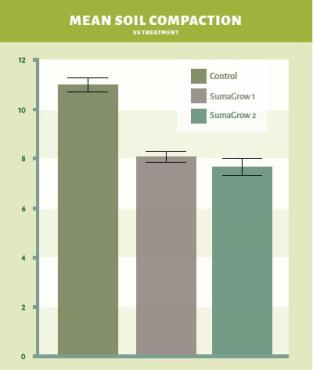
Additionally, the study found a 26 percent reduction in soil
compaction in the SumaGrow® treated soil. Reduced soil
compaction means that the soil is softer and more aerated, so plant roots can grow more easily and reach deeper to tap the
water and nutrients held within the subsoil.

In addition, this study found that SumaGrow® treated soil
contained a higher functional group diversity index in relation
to the microbial populations within the treatment areas.
This can be taken to mean that the SumaGrow® treated areas
had a more balanced microbial population, leading to more
productive soil in the end.

The mean functional group diversity indices for the treatment
groups were significantly higher for the SumaGrow® treated
groups. The 1 gallon per acre rate versus the control had the
highest mean functional group diversity (mean = 1.61, p = 0.0099*),
the 1/2 gallon per acre rate versus the control had the second
highest mean functional group diversity (mean = 1.56, p = 0.034*),
and there was no significant interaction between the SumaGrow®
treatment groups in relation to mean functional group diversity
(mean = 1.37, p = 0.47).

MISSOURI DEPARTMENT OF CONSERVATION FIELD TRIAL pic 3

The mean fungal bacterial ratios for the treatment groups were
significantly higher for the SumaGrow® treated groups. The 1
gallon per acre rate versus the control had the highest mean
fungal bacterial ratio (mean = 0.27, p = 0.0029*), the 1/2 gallon
per acre rate versus the control had the second highest mean
fungal bacterial ratio (mean = 0.26, p = 0.0054*), and there was no significant interaction between the SumaGrow® treated groups
in relation to mean fungal bacterial ratios (mean = 0.15, p = 0.33).


MISSOURI DEPARTMENT OF CONSERVATION FIELD TRIAL pic 4

In relation to soil compaction, measured in pounds per square
inch, the SumaGrow® treatment at 1 gallon (mean = 7.67 psi) and
½ a gallon (mean = 8.08 psi) per acre were significantly lower
than the control (p = < 0.0001) which had the highest pressure
readings (mean = 11 psi).

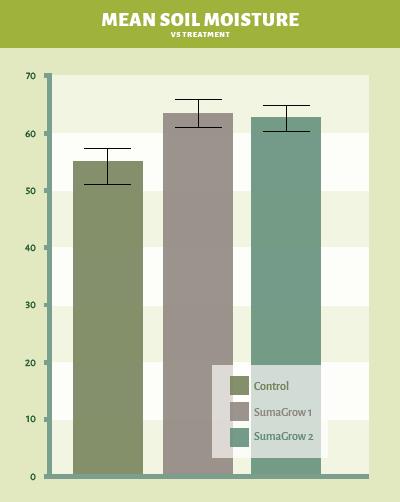
In relation to soil moisture, obtained from a moisture probe, the
SumaGrow® treatment at 1 gallon (mean = 61.67, p = 0.056) and
½ a gallon (mean = 62.5, p = 0.035) per acre were significantly
higher than the control which had the lowest moisture readings
(mean = 54.2).


California Farmers Increased Harvest in Chinese Vegetables

Joyful Farms is located in Hemet, California, where 37 types of Chinese vegetables like bok choy, mustard greens, nira, etc. are grown. Aidy Yang was hired to rehabilitate the soil and he began using 5 gallons of SumaGrow on 5 acres of their Long Run field with no other inputs. On the Short Run field, Aidy would use 5 gallons on 8 acres and reduced his fertilizer inputs by one half.

On September 10th, the vegetables crops Yu Choy and Mustard Greens were planted on 8 acres on the Short Run Field. Three days later on September 13th, a weed killer (herbicide) was sprayed on the Short Run Field. Three days after the herbicide (September 16th) six gallons of EarthCare with SumaGrow was sprayed on the Short Run field. On September 17th, the amount of chemical fertilizer was reduced by one-half. About two weeks later another three gallons of SumaGrow was applied to the 8 acres, which brought the total amount of SumaGrow used to 1.123 gallons per acre.

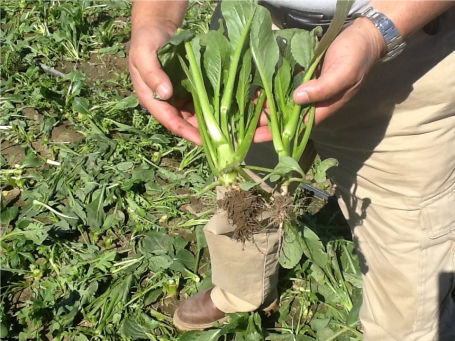
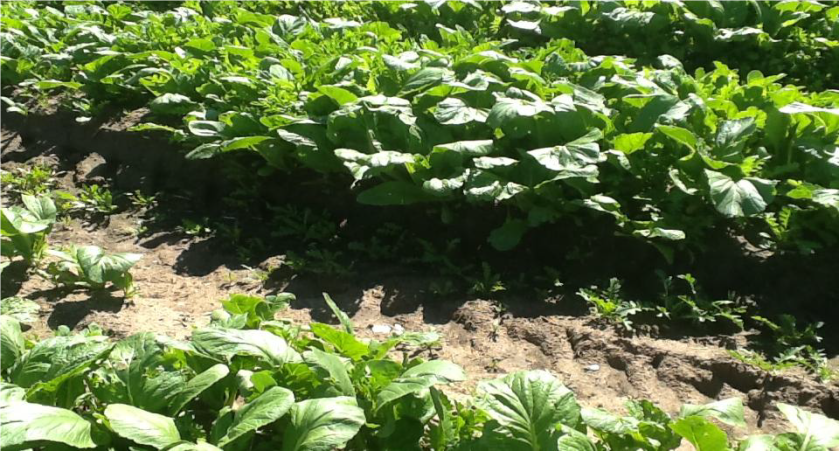
Joyful Farms Chinese Vegetables- Increased Harvest pics 1 - CopyHarvesting actually began 9 days earlier than normal and the stems were thicker than normal in many cases (shown on the right). The mustard greens shown below are a 60 day crop, but 5% of the crop were ready to be harvested 10 days early.
Joyful Farms Chinese Vegetables- Increased Harvest pic 2

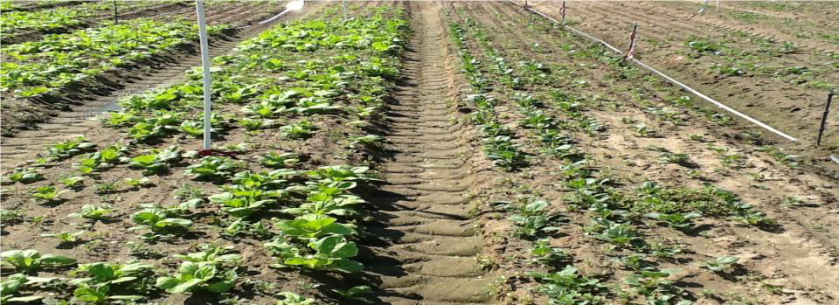
The 5 acres of the Long Run fields (on the right side) that received only SumaGrow did not do as well as the fields that were treated with an organic fertilizer (left side).Joyful Farms Chinese Vegetables- Increased Harvest pic 3

Joyful Farms Chinese Vegetables- Increased Harvest pic 5On October 17th, Aidy applied 10 gallons of SumaGrow with no inputs to the 15 acres of the Long Run Fields. The fields were planted with Baby Bok Choy, Yu Choy and Mustard Greens. Organic fertilizer (chicken manure) was applied to all 15 acres at half the normal rate.
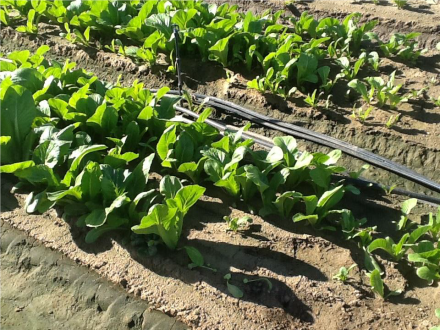
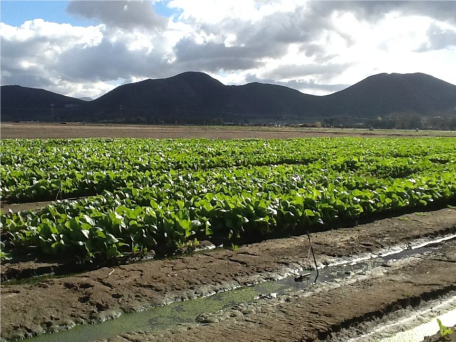
Aidy returned to the Joyful Farms on December 5th to visit the Long Run Field and he was greeted with a green carpet of crops. The workers were thrilled because there were no weeds and Joyful Farms Chinese Vegetables- Increased Harvest pic 4they had experienced a much faster harvest times on the Short Run Field and were also looking forward to harvesting the Long Run field. As you can see, the Long Run Field did very well.
Pasture Grass Dry Matter 49% Yield Increase — SumaGrow vs. Liquid Broiler Litter and Urea Trial

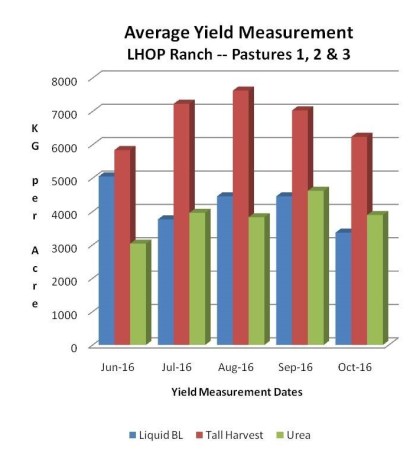
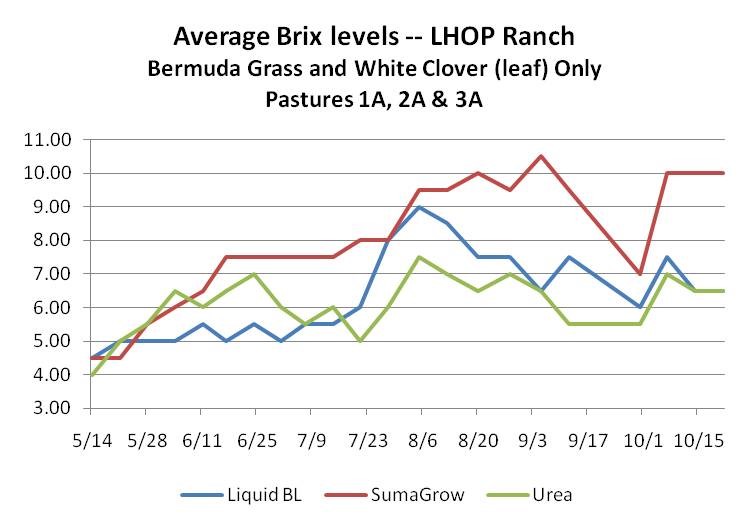
The results of five months of testing at the LHOP Ranch in Independence, Kansas by the Tallgrass Beef Company showed SumaGrow achieving a greater Dry Matter (DM) yield increase in forage grass compared to two grower standard plots; one treated with an organic, liquid broiler litter (LBL) and the other with urea. The economic benefit of this DM yield increase was at least $390 per acre!

The DM yield increase using SumaGrow averaged 24% better than the average of the organic LBL and urea control paddocks. By the end of the 5th month, SumaGrow showed an average 49% yield increase compared to the LBL and urea treated paddocks.

pasture-grass-dry-matter-49-yield-increase-sumagrow-vs.-liquid-broiler-litter-and-urea-trial-pics-1.jpg

In the Group 1 Treatment pastures, the DM yield from the SumaGrow treated pasture was 16% higher than the organic LBL treated pasture after one month, and 92% after two months, 71% after three months, 58% after four months, and 85% higher after five months. The DM yield from the SumaGrow treated pastures was 92% higher than the urea treated pastures after one months and 83%, 99%, 52% and 60% higher after months two, three, four and five.

Thus, the economic benefit per acre using SumaGrow ranged from $390 to $4104.

Pasture Grass Dry Matter 49% Yield Increase -- SumaGrow vs. Liquid Broiler Litter and Urea Trial pics 2

Sumagrow Increased Yield for Taylor’s Fresh Organic’s Soybean and Zucchini Crop

The findings from the data show that the application of SumaGrow (referred to as SumaGreen in report) at the rate of 1.66 GPA provided approximately 125lbs of Nitrogen for plant uptake. SumaGrow solubilized the high supply of phosphorus in the soil making it readily available to the plant and increased the uptake in the plant dramatically. SumaGrow also reduced the removal of potassium from the soil by 88lbs and left 26 lbs. of nitrogen available for the wheat crop.

SumaGrow reduced material handling, application costs and lowered high phosphorus in the soil, and also lowered Taylor’s fertilizer program by $231.45 per acre. The conventional program is more costly, more susceptible to nutrient loss, more material to handle and is a less sustainable farming practice.

Actual Results:

Zucchini – The crop had an increase yield of 13.5%. Due to heavy rains, 20% of the crop was drowned out during mid harvest and the remainder of the field was overcome by disease and shortened the life of the crop. Despite that, the quality of the crop was much better. Adding the 20% loss of crop, the increase in yield would have been 39.5% if crop was not lost.

taylor's fresh organic's pic

Soybean – Where SumaGrow was applied in furrow population final stand was increased by 12.5%.

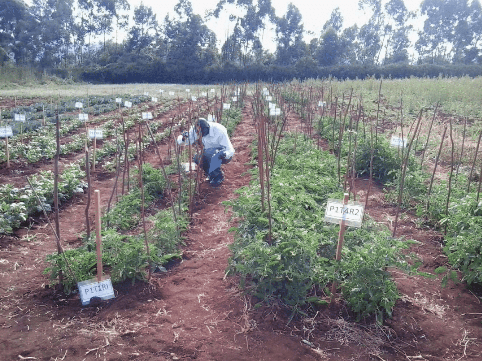
81.1% Yield Increase for Vegetables in Kenya

The results indicated that application of SumaGrow produced a consistent positive effect on plant growth and yield on both crops at each site. Higher rates of SumaGrow had a pronounced effect on vegetative growth while better effects on harvestable yield were achieved at a lower product rate of 3.8L/acre. These results support the recommendation of SumaGrow for use as a biofertilizer on horticultural crops in Kenya.kenya

Tomatoes – the best effect of SumaGrow on plant height was achieved when the product was applied at the rate of 11.4 L/ha in combination with DAP at 100kg/ha at planting. This treatment has a mean plant height of 45.42cm in treated tomato plots at flowering state, compared to 28.17cm mean plant height in untreated control plots.

Significantly greater effects on yield were achieved in plots treated with SumaGrow in combination with DAP at planting. Application of SumaGrow during planting at the rate of 3.8 L/acre in combination with 100kg per acre of DAP produced the highest fruit yield per plant (4.31kg). This is in contrast to mean weights of 2.38kg per plant in the untreated control plots and 3.70kg per plant in the grower’s standard crop nutrition practice application of 200kg/acre DAP at planting. There was an 81.1% yield increase from the control plot to the SumaGrow treated plots.

Kenya — SUMAGROW TECHNICAL REPORT DRAFT

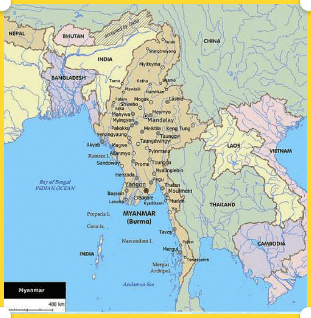
Myanmar Trial Result in 51.8% Yield Increase in Rice Crop

myanmarA trial was done on the effectiveness of SumaGrow on rice crops in Hlegu Township, Mynamar. Trial 1 was a control and Trial 2 was treated with a mixture of 1 gallon of SumaGrow (GrowPros) and 10 gallons of water. There was only one application of SumaGrow during the testing period.


myanmar 2

Data was collected twice; the first time was exactly one month after planting. “The test data from SumaGrow treated T2 field showed impressive results, higher plant heights and more multiple stems at just month trial period.” The data shows Trial 2 producing a greater plant height of 55.2cm compared the Trial 1 (control) which had a plant height of 43.3cm. The number of multiple stems also varied between trials, with Trial 1 having 11.6, while Trial 2 had 14.4.

myanmar 3

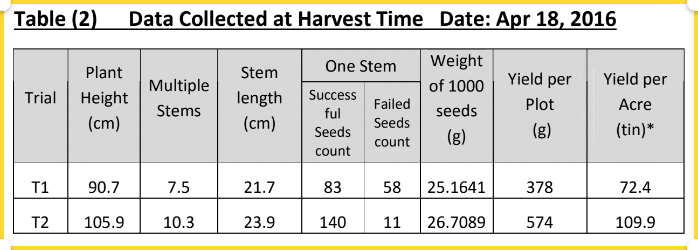
Data was collected again at harvest time. The table below shows that SumaGrow increased plant height, stem length, weight of seeds, yield per plot and yield per acre.

myanmar 4“It was apparent that applying Suma Grow with beneficial microbes to the field before planting was effective and helped grow stronger crops. “

“Comparing the results from the two trial fields T1 and T2 shows that the yield from SumaGrow treated field T2 is significantly better than non-SumaGrow treated Control field T1 in every important category of multiple stems, successful seeds, failed seeds, weight of 1000 seeds, and yields per acre. The test concludes that SumaGrow’ s produce is effectively beneficial to the health and crop productions.” The use of SumaGrow on the rice crops resulted in a 51.8% yield increase.

myanmar 5

Grow Pros Rice Trial Result Report Myanmar